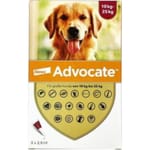
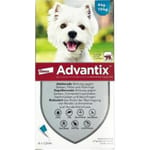
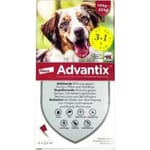
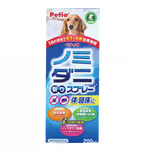
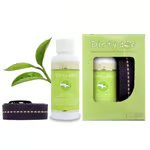
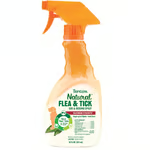
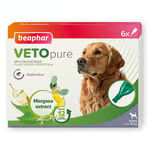
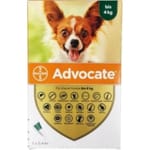
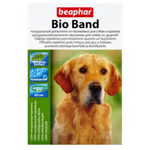
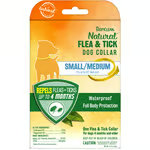
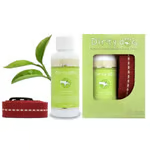
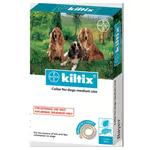
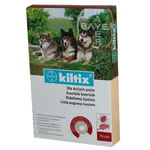
Deworming and flea control products, alongside health supplements, constitute essential categories in pet care. Deworming and flea control items are primarily utilized for the prevention and treatment of internal and external parasites in pets. Common forms include oral medications, spot-on treatments, sprays, or collars. These products, based on their ingredients and mechanisms of action, target various parasites such as fleas, ticks, heartworms, roundworms, and hookworms. Health supplements encompass a broader spectrum, aimed at maintaining the overall health and well-being of pets, including vitamins, mineral supplements, joint care products, and skin and coat health products. Questions like how often to administer cat deworming medication typically depend on product instructions or veterinary advice. The selection and use of these pet supplies require consideration of the pet's species, age, weight, living environment, and existing health conditions. This category offers a diverse range of products to assist pet owners in managing their companions' health.
Parasite control and health supplements for pets encompass a diverse range of products designed to manage internal and external parasites and support overall animal well-being.
This article aims to describe the structural attributes, material composition, and usage context within this category, focusing on objective and verifiable information rather than product recommendations or comparative advantages.
Parasite Control and Health Supplements: Classification by Application Method
The category of parasite control and health supplements is commonly divided based on its application method, which dictates how the product is administered to the animal. Topical applications involve products applied directly to the animal's skin or fur, such as spot-on treatments, collars, shampoos, and sprays. Oral applications include tablets, chewables, liquids, and pastes that are ingested by the animal. Injectable forms, while less common for general consumer use, are also part of this classification, typically administered by veterinary professionals. Environmental treatments, which target parasites in the animal's living space rather than on the animal itself, form another distinct sub-category. Each application method is associated with specific formulations and delivery mechanisms designed to optimize the active ingredients' efficacy and duration of action. For instance, a topical spot-on treatment typically relies on the active ingredient spreading across the skin's surface and being absorbed into the sebaceous glands, providing systemic or localized protection. Oral medications are absorbed through the digestive tract and distributed systemically throughout the animal's body. The choice of application method for parasite control and health supplements is often determined by the type of parasite being targeted, the active ingredient's chemical properties, and the desired duration of effect. Different formulations are engineered to suit these various delivery routes, ensuring stability and bioavailability of the active compounds. This systematic division provides a fundamental framework for understanding the diverse product landscape within parasite control and health supplements.
Parasite Control and Health Supplements: Material Composition and Formulation
Differences in material composition, structural forms, and formulation methods are central to understanding parasite control and health supplements. Parasiticides, the active ingredients in parasite control products, can be broadly categorized by their chemical structure and mode of action. Common classes include neonicotinoids (e.g., imidacloprid), phenylpyrazoles (e.g., fipronil), macrocyclic lactones (e.g., selamectin, ivermectin), isoxazolines (e.g., afoxolaner, fluralaner), and pyrethroids (e.g., permethrin). Each class targets specific physiological pathways in parasites, leading to paralysis or death. The formulation dictates how these active ingredients are delivered. Spot-on treatments typically consist of a concentrated solution of the active ingredient dissolved in a solvent system designed for transdermal absorption and distribution. Collars incorporate active ingredients into a polymer matrix, allowing for slow, continuous release onto the animal's skin and coat. Oral medications often feature active ingredients combined with palatability enhancers, binders, and fillers to form tablets or chewables, facilitating ingestion and systemic absorption. Health supplements, on the other hand, are composed of vitamins, minerals, amino acids, fatty acids, probiotics, prebiotics, and various botanical extracts. These ingredients are selected based on their purported physiological benefits, such as supporting joint health, digestive function, or immune response. The structural form of a supplement can be a tablet, capsule, powder, liquid, or soft chew, each requiring specific manufacturing processes. For example, chewable tablets for parasite control and health supplements often involve granulation and compression techniques to ensure uniform dosage and stability. Liquid formulations require careful consideration of solubility, pH, and preservative systems. The inert ingredients, or excipients, play a crucial role in product stability, palatability, and dissolution. These can include emulsifiers, stabilizers, flavorings, and coloring agents, all of which must meet safety standards for animal consumption. Understanding these compositional and formulation differences is key to comprehending the functional attributes of various parasite control and health supplements.
Parasite Control and Health Supplements: Properties in Diverse Usage Environments
The properties of parasite control and health supplements can vary significantly across different usage environments or conditions. Environmental factors such as temperature, humidity, and exposure to water can influence the efficacy and longevity of topical parasite control products. For instance, a flea and tick collar’s active ingredient release rate might be affected by ambient temperature. High humidity could potentially alter the stability of certain formulations. For oral parasite control and health supplements, the animal's physiological state, including its age, weight, and existing health conditions, directly impacts absorption, metabolism, and excretion of the active compounds. A young or elderly animal might metabolize a medication differently from a healthy adult. Similarly, the presence of certain foods or other medications can sometimes interact with orally administered parasite control and health supplements, affecting their bioavailability or increasing the potential for adverse effects. The type of parasite prevalent in a specific geographic region can also dictate the effectiveness of a particular parasite control product. Some parasites have developed resistance to certain classes of parasiticides, necessitating a different approach in affected areas. The frequency of exposure to parasites, such as for an outdoor cat versus an indoor cat, influences the required duration and potency of parasite control measures. When considering general health supplements, an animal's dietary intake and specific nutritional deficiencies will determine the relevance and impact of supplementation. For example, a dog with a well-balanced diet may not exhibit the same response to a joint supplement as a dog with pre-existing mobility issues or dietary gaps. The application of parasite control and health supplements must therefore account for these varied environmental and physiological contexts to ensure optimal performance and safety. The duration between applications, such as how often to administer cat deworming medication, is also influenced by these factors, along with the product's residual activity.
Parasite Control and Health Supplements: Product Characteristics from Sales Ranking
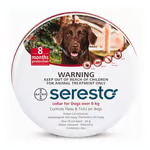
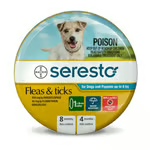
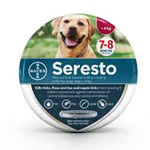
Rank 1: Bayer Seresto Flea & Tick Collar Large Dog over 8kg (UK version) — This product is a polymer matrix collar designed for sustained release of active ingredients. The collar incorporates two active compounds: imidacloprid and flumethrin. Imidacloprid is a neonicotinoid insecticide that acts on the central nervous system of insects, leading to paralysis and death. Flumethrin is a synthetic pyrethroid that works as an acaricide, affecting the nervous system of ticks. The active substances are slowly released from the collar and spread over the animal's skin and coat, providing protection against fleas and ticks. The collar is designed to be water-resistant, permitting exposure to water without significant loss of efficacy. The polymer structure ensures a controlled release profile over an extended period. The material composition is engineered to be durable and maintain integrity during wear.
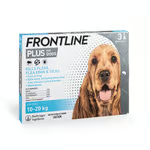
Rank 2: FRONTLINE Plus for Dogs Spot-on (10-20kg Medium-sized Dog) (FPM) — This is a topical spot-on treatment formulated as a clear, amber liquid solution. The active ingredients are fipronil and (S)-methoprene. Fipronil is a phenylpyrazole insecticide and acaricide that disrupts the central nervous system of insects and mites. (S)-methoprene is an insect growth regulator (IGR) that interferes with the development of flea eggs and larvae, preventing them from maturing into adult fleas. The solution is applied to a small area of the dog's skin, typically between the shoulder blades. The fipronil spreads over the skin and coat via translocation, accumulating in the sebaceous glands, while (S)-methoprene is absorbed into the animal's body to disrupt the flea life cycle. The formulation includes excipients such as a solvent system to facilitate spreading and absorption. This parasite control product is designed to be water-resistant after application.
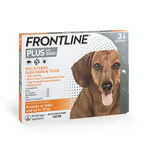
Rank 3: FRONTLINE Plus for Dogs Spot-on (Small Dog) (FPS) — Similar in formulation to the medium-sized dog variant, this product is also a topical spot-on treatment in a clear, amber liquid solution. It contains the same active ingredients: fipronil and (S)-methoprene. The primary difference lies in the concentration or volume of the active ingredients delivered, which is adjusted for smaller dog body weights. Fipronil targets the central nervous system of fleas and ticks, while (S)-methoprene acts as an insect growth regulator. The application method involves applying the solution to the skin, where fipronil distributes across the skin and coat, and (S)-methoprene aids in preventing flea maturation. The excipients and solvent system are designed for efficient spreading and absorption on the animal's skin. This parasite control product maintains water resistance post-application.
Rank 4: Bayer Seresto Large Dog Collar over 8kg (Taiwanese version) — This product is structurally identical to the UK version, functioning as a polymer matrix collar. It contains the same active ingredients: imidacloprid and flumethrin. Imidacloprid exerts insecticidal action by targeting insect nervous systems, while flumethrin acts as an acaricide. The collar's design facilitates the continuous release of these active compounds onto the animal's skin and coat. The polymer material is engineered for durability and consistent release kinetics over its intended duration of use. Its water-resistant properties are maintained through the material composition and manufacturing process. This specific iteration of parasite control is designed for dogs weighing over 8kg.
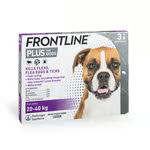
Rank 5: FRONTLINE Plus for Dogs Spot-on (20-40kg Large Dog) (FPL) — This is a topical spot-on treatment, a clear, amber liquid solution, containing fipronil and (S)-methoprene. The formulation and active ingredients are consistent with other FRONTLINE Plus variants. Fipronil is an insecticide and acaricide, and (S)-methoprene is an insect growth regulator. The dosage of active ingredients is adjusted for larger dog body weights, specifically for dogs weighing between 20-40kg. The application involves applying the solution to the skin, allowing the active components to distribute across the skin surface and accumulate in sebaceous glands. The product includes a solvent system and other excipients to ensure efficient application and absorption. This parasite control formulation is designed to be water-resistant after the recommended withholding period.
Parasite Control and Health Supplements: Quality Standards and Labeling Norms
Verifiable quality standards, labeling transparency, and documentation norms are critical for parasite control and health supplements. In many regions, parasite control products, particularly those containing pharmaceutical active ingredients, are regulated as veterinary medicines. This means they must undergo rigorous testing for efficacy, safety, and quality before market approval. Regulatory bodies, such as the European Medicines Agency (EMA) or the US Food and Drug Administration (FDA) Center for Veterinary Medicine, establish guidelines for manufacturing practices (Good Manufacturing Practices, GMP), clinical trials, and post-market surveillance. Labels for these products are required to clearly state the active ingredients, their concentrations, the target species, dosage instructions, administration route, potential side effects, contraindications, and warnings. The expiration date and batch number are also mandatory elements, facilitating traceability and recall if necessary. For health supplements, which are often regulated differently—sometimes as feed additives or dietary supplements rather than medicines—the regulatory landscape can be more varied. However, reputable manufacturers often adhere to voluntary quality standards and certifications, such as those from the National Animal Supplement Council (NASC) in the US, which provides a quality seal for products that meet specific criteria for ingredient quality, product consistency, and accurate labeling. Labeling for supplements typically includes a guaranteed analysis of active ingredients, a full ingredient list, and feeding directions. Claims made on supplement labels must be substantiated and not misleading. Documentation norms often extend to providing Certificates of Analysis (CoA) for raw materials and finished products, verifying ingredient identity, purity, and potency. These standards and norms provide a framework for ensuring the integrity and safety of parasite control and health supplements. Adherence to these guidelines for parasite control and health supplements, including precise instructions on how often to administer cat deworming medication, is essential for consumer confidence and animal welfare.
Parasite Control and Health Supplements: Factual Insights
One verifiable factual insight regarding parasite control and health supplements relates to the mechanism of certain flea and tick collars. While many topical treatments rely on systemic absorption or spreading through the sebaceous glands, some collars, particularly those employing older technologies, function primarily through contact. The active ingredients are present on the surface of the collar and are transferred to the animal's fur and skin through friction as the animal moves. This contact action can be less efficient than formulations designed for sustained release into the lipid layer of the skin or systemic distribution. The distribution of the active ingredient from such collars may not be uniform across the entire body surface, potentially leaving some areas less protected. This contrasts with modern polymer matrix collars that are designed for continuous, controlled diffusion of active substances into the animal's skin lipid layer, ensuring more even distribution and prolonged efficacy of parasite control and health supplements.
Another factual insight concerns the development of resistance in parasites to certain classes of parasiticides. Over time, continuous exposure of parasite populations to the same active ingredients can lead to the selection of resistant strains. This phenomenon necessitates the rotation of different classes of active ingredients or the use of combination products to maintain effective parasite control. For instance, resistance to some older classes of anthelmintics (dewormers) is a documented issue in livestock and, to a lesser extent, in companion animals. This evolutionary pressure means that the efficacy of a particular parasite control product is not static but can change over time within a given geographic region or animal population. This is a crucial consideration for veterinary professionals when recommending parasite control and health supplements, including advice on how often to give dog deworming medication, and influences the ongoing research and development of new antiparasitic compounds with novel modes of action.
The information presented describes the structural and characteristic aspects of parasite control and health supplements, without offering product evaluations or purchasing recommendations.
......View All