Fujiichi cat wet food refers to a category of food specifically formulated for felines, primarily presented in a moist form to provide essential daily nutrients. These products typically incorporate various meats, fish, and other necessary vitamins and minerals, aiming to support the overall well-being of cats. Fujiichi cat wet food formulations may offer a range of flavors and textures, catering to diverse feline dietary preferences. Some products are tailored for specific life stages, such as kittens, adult cats, or senior cats, providing different nutritional profiles. Consumers often examine ingredient lists and nutritional analyses when selecting these products to ensure they meet their cats' dietary needs, also considering the product's origin and manufacturing process. Beyond cat wet food, the Fujiichi brand may also encompass other pet supplies, such as Fujiichi cat litter. These moist food items are commonly sold in cans or pouches, facilitating convenient storage and feeding, presenting a viable option for many cat owners seeking a balanced diet for their pets.
Fujiichi canned cat food refers to a category of commercially prepared feline sustenance packaged in hermetically sealed containers, designed for extended shelf life and ready consumption.
This article aims to describe the structural attributes, material composition, and typical usage contexts within the Fujiichi canned cat food category, rather than providing recommendations or comparative evaluations of specific products.
Fujiichi Canned Cat Food: Common Classifications
The Fujiichi canned cat food category is commonly segmented in practical distribution and consumer contexts based on several primary characteristics. One prevalent classification distinguishes between complete and balanced formulas, often termed "main meal" or "staple" foods, and supplementary formulas, frequently labeled as "treats" or "complementary" foods. Complete and balanced Fujiichi canned cat food is formulated to meet all nutritional requirements for a cat's life stage, adhering to established dietary guidelines. Supplementary products, conversely, are designed to provide additional hydration, palatability, or specific nutrients but are not intended as the sole source of nutrition. Further distinctions can be made based on the primary protein source, such as poultry, fish, or red meat, influencing both flavor profiles and nutrient compositions. Another common classification involves the texture of the product, with variations including pâté, shredded, flaked, or minced preparations. These textural differences can affect palatability and are often a factor in feline dietary preferences. Packaging size also serves as a classification criterion, with smaller individual servings contrasting with larger multi-serving cans. These classifications assist in organizing the diverse range of Fujiichi canned cat food available in the market.
Fujiichi Canned Cat Food: Material Composition and Processing
The material composition of Fujiichi canned cat food typically involves a primary protein source, such as various types of fish or poultry, combined with carbohydrates, fats, vitamins, and minerals. Common protein ingredients include tuna, chicken, salmon, and beef, often listed as the first ingredient to indicate their predominant presence. These protein sources can be utilized in various forms, such as muscle meat, organs, or by-products, each contributing distinct nutrient profiles. Carbohydrate components, while sometimes present in minimal amounts in grain-free formulations, can include ingredients like potato starch, pea flour, or tapioca. Fats are incorporated for energy and essential fatty acids, often derived from animal fats or specific fish oils. The addition of a comprehensive vitamin and mineral premix ensures the product meets the specified nutritional standards for feline diets. Regarding structural forms, Fujiichi canned cat food can manifest as a smooth, homogenous pâté, a blend of finely ground ingredients, or as distinct pieces of meat, fish, or vegetables suspended in a gravy or jelly. The processing technique involves mixing raw ingredients, filling them into cans, and then sealing and heat-sterilizing the containers. This sterilization process, typically performed under high pressure and temperature, ensures microbial safety and extends shelf life by eliminating spoilage microorganisms and pathogens. The specific temperatures and durations of this thermal processing are critical for maintaining both product safety and nutrient integrity. The choice of processing method directly influences the final texture, palatability, and nutritional retention of the Fujiichi canned cat food.
Fujiichi Canned Cat Food: Properties in Diverse Usage Environments
The properties of Fujiichi canned cat food exhibit consistent characteristics across various usage environments, primarily due to the nature of its hermetically sealed packaging and sterilization process. The sealed environment protects the contents from external atmospheric contamination, moisture, and light, which are primary factors in food degradation. This protection ensures that the nutritional integrity and microbial safety of the Fujiichi canned cat food remain stable until the can is opened, regardless of ambient humidity or typical indoor temperature fluctuations within a reasonable range. Once opened, however, the product becomes susceptible to oxidation and microbial growth, similar to any perishable food item. Therefore, refrigeration is necessary for opened Fujiichi canned cat food to preserve its quality and prevent spoilage. The physical properties, such as texture and moisture content, are largely determined during the manufacturing process and do not significantly alter under typical storage conditions prior to opening. The high moisture content inherent in canned cat food is a consistent property that contributes to feline hydration, which is a key aspect of its dietary function. The compact and robust nature of the can itself facilitates storage in various settings, from household pantries to commercial warehouses, without specific environmental controls beyond avoiding extreme temperatures or physical damage to the packaging. The stability of Fujiichi canned cat food under varied conditions before opening is a defining characteristic of this product format.
Fujiichi Canned Cat Food: Product Characteristics from Sales Ranking
The following descriptions detail the material, formulation, and structural characteristics of specific Fujiichi canned cat food products, based on their reported sales ranking. These descriptions are purely factual and do not imply any qualitative assessment or recommendation.
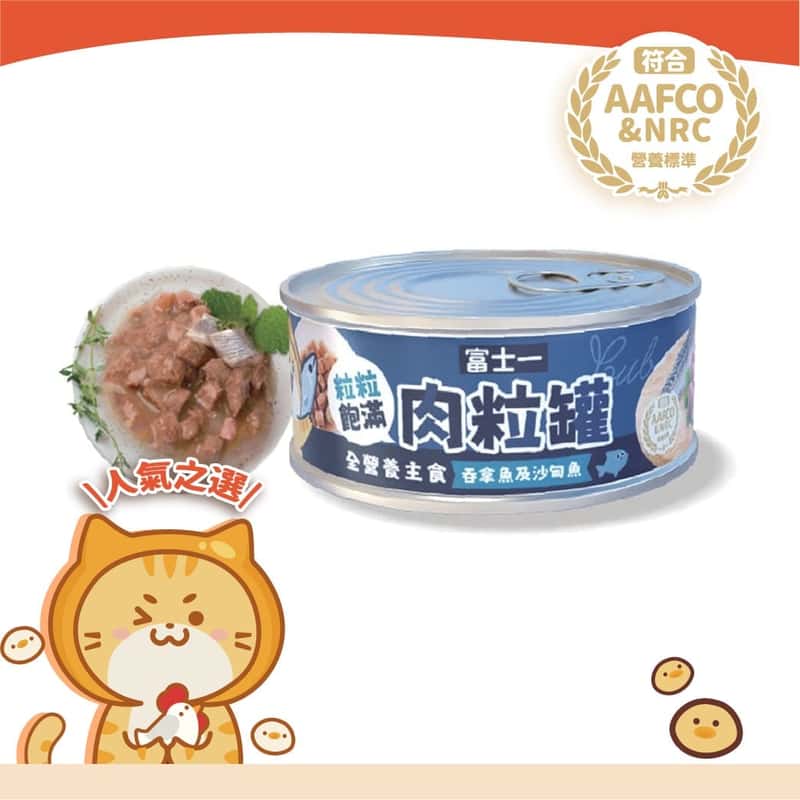
Rank 1: Fujiichi Canned Cat Food Complete and Balanced Main Meal AAFCO+NRC Standard Tuna and Sardine Meat Pieces 40g – This product is formulated as a complete and balanced main meal, indicating adherence to AAFCO and NRC nutritional standards. Its primary protein sources are tuna and sardine, presented in a meat piece texture. The specified weight is 40 grams. The formulation is designed to provide comprehensive nutrition based on established feline dietary guidelines. The protein content is derived from fish. The structural form consists of distinct pieces of fish meat.
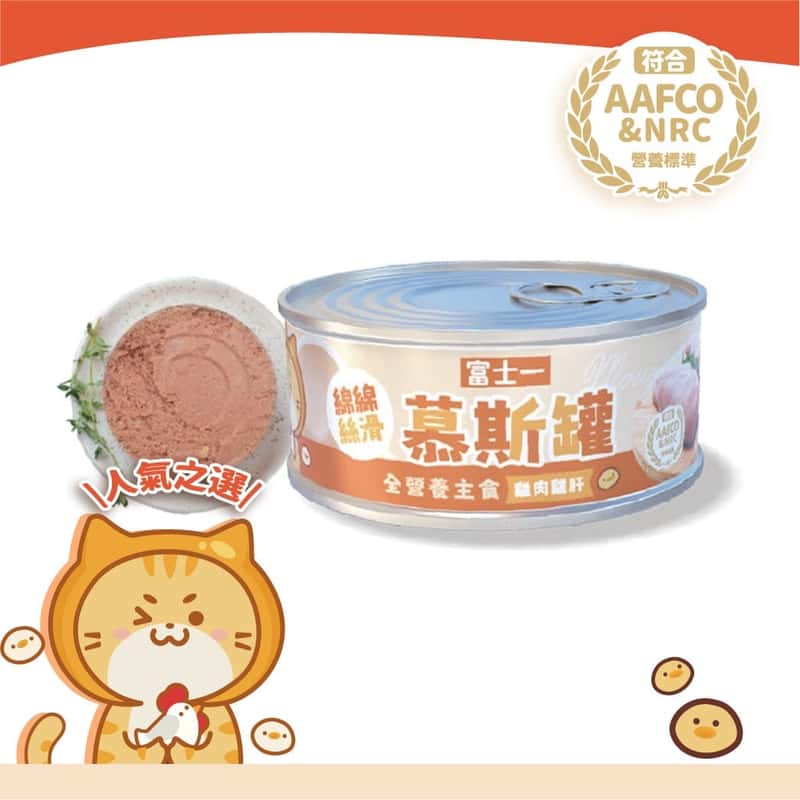
Rank 2: Fujiichi Canned Cat Food Complete and Balanced Main Meal AAFCO+NRC Standard Chicken and Chicken Liver Mousse 40g – This variant also meets AAFCO and NRC standards for a complete and balanced main meal. The protein base consists of chicken and chicken liver. The product's texture is described as a mousse, indicating a smooth, finely ground, and homogenous consistency. The can contains 40 grams of product. The inclusion of chicken liver contributes specific micronutrients and flavor. The overall consistency is uniform and lacks discrete solid components.
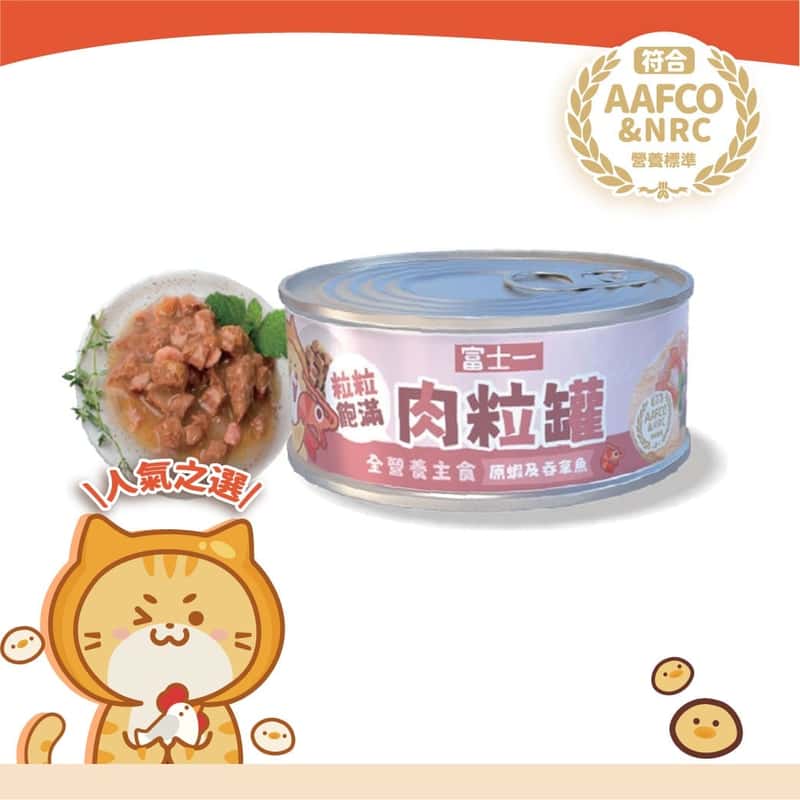
Rank 3: Fujiichi Canned Cat Food Complete and Balanced Main Meal AAFCO+NRC Standard Tuna and Shrimp Meat Pieces 40g – Another complete and balanced main meal formulation adhering to AAFCO and NRC guidelines. The protein sources are tuna and shrimp, presented as meat pieces. The net weight is 40 grams. This combination of fish and shellfish provides a distinct protein profile. The texture is characterized by identifiable chunks or fragments of the stated ingredients. The formulation targets a specific palatability preference.
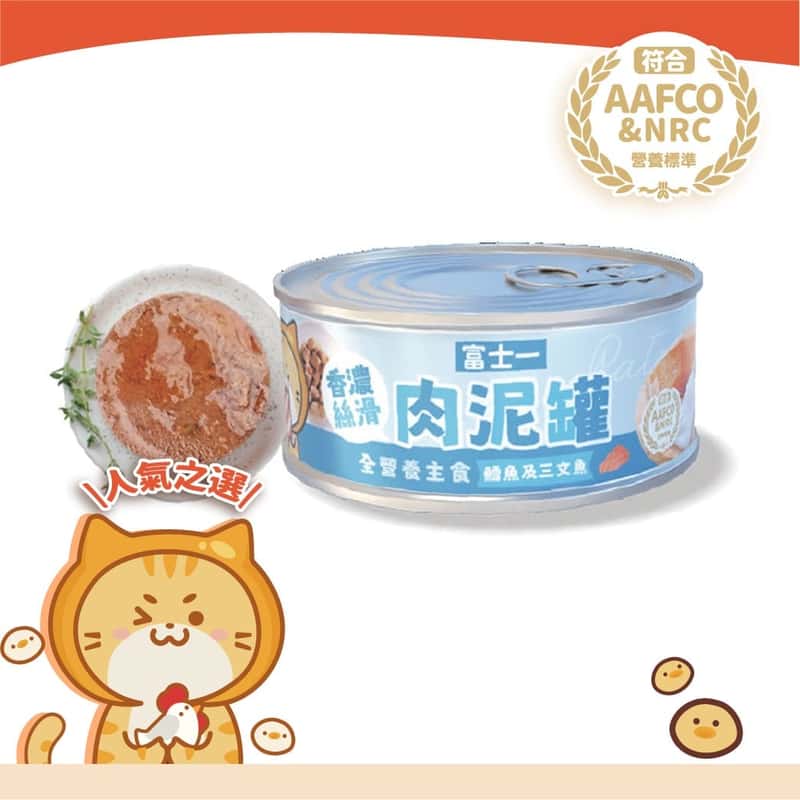
Rank 4: Fujiichi Canned Cat Food Complete and Balanced Main Meal AAFCO+NRC Standard White Fish and Salmon Meat Paste 40g – This Fujiichi canned cat food is classified as a complete and balanced main meal, aligning with AAFCO and NRC nutritional criteria. The protein components are white fish and salmon, processed into a meat paste texture. The container holds 40 grams of product. The paste consistency suggests a smooth, semi-solid form, potentially finer than a mousse but not as liquid as a gravy. The specific blend of fish contributes to the overall nutritional composition and flavor. The texture is designed for ease of consumption.
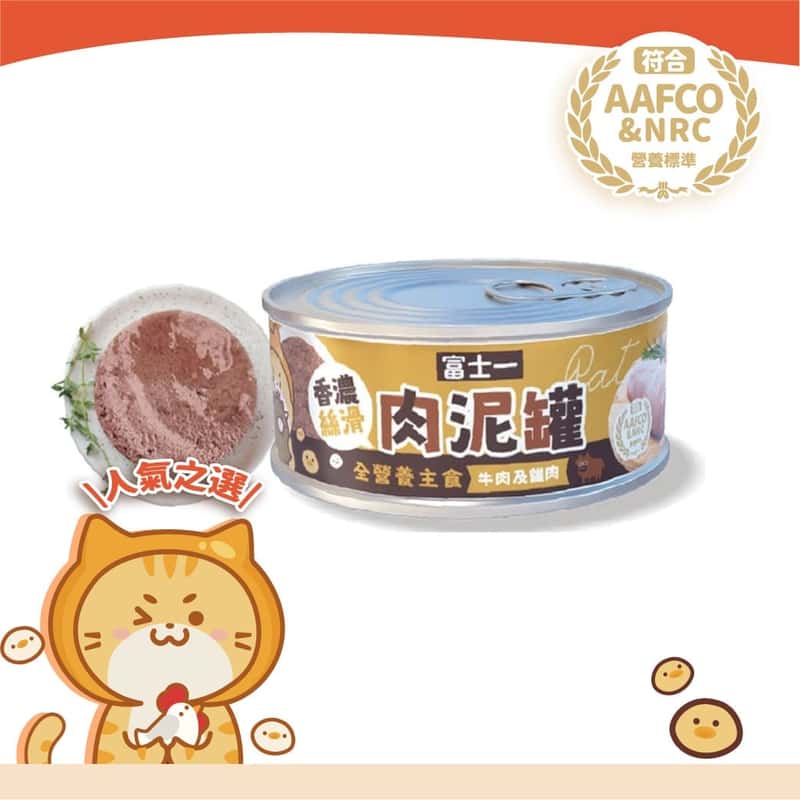
Rank 5: Fujiichi Canned Cat Food Complete and Balanced Main Meal AAFCO+NRC Standard Beef and Chicken Meat Paste 40g – This product is also a complete and balanced main meal, formulated to AAFCO and NRC standards. The primary protein sources are beef and chicken, prepared as a meat paste. The product weight is 40 grams. This combines red meat and poultry proteins. The paste texture is consistent with ground and emulsified ingredients. The formulation aims to deliver all necessary nutrients for feline health, utilizing a blend of land-animal proteins. The uniform texture ensures consistent nutrient intake with each portion.
Fujiichi Canned Cat Food: Quality Standards and Labeling Norms
Quality standards for Fujiichi canned cat food are primarily governed by national and international regulatory bodies that establish nutritional guidelines and safety protocols for pet food. In many regions, adherence to standards set by organizations like the Association of American Feed Control Officials (AAFCO) or the European Pet Food Industry Federation (FEDIAF) is a benchmark for "complete and balanced" pet foods. These standards specify minimum and maximum levels for various nutrients, including proteins, fats, vitamins, and minerals, based on a cat's life stage (e.g., growth, adult maintenance, gestation/lactation). For Fujiichi canned cat food to be labeled as "complete and balanced," its nutrient profile must meet these established requirements through laboratory analysis or by formulation according to established nutrient profiles. Labeling transparency is a critical aspect of these standards. Product labels for Fujiichi canned cat food typically include an ingredient list, ordered by weight, from highest to lowest. A guaranteed analysis panel provides minimum percentages for crude protein and crude fat, and maximum percentages for crude fiber and moisture. The declaration of net weight, manufacturer information, and feeding guidelines are also standard requirements. Furthermore, claims such as "grain-free" or "limited ingredient diet" must be verifiable through the ingredient list. The "Fujiichi Canned Cat Food" designation itself implies a specific brand commitment to these labeling and quality norms. Compliance with these regulations ensures that consumers receive accurate information regarding the product's composition and nutritional adequacy. Manufacturers are often required to maintain documentation verifying the nutritional claims and safety of their Fujiichi canned cat food products.
Fujiichi Canned Cat Food: Factual Insights on Production
One verifiable factual insight regarding Fujiichi canned cat food, and canned pet food in general, pertains to the canning process itself. The hermetic sealing and subsequent thermal sterilization, or retort processing, is a method originally developed in the early 19th century. This process effectively extends the shelf life of perishable goods by rendering them commercially sterile, meaning all pathogenic microorganisms and most spoilage-causing microorganisms are destroyed, and their spores are inhibited. This allows Fujiichi canned cat food to be stored at room temperature for extended periods, often years, without refrigeration prior to opening, a characteristic that differentiates it significantly from fresh or refrigerated pet food products. The internal pressure generated during the high-temperature sterilization process is a critical engineering consideration, requiring robust can construction to prevent deformation or rupture. Another factual insight concerns the moisture content of Fujiichi canned cat food. Canned cat food typically contains a high percentage of moisture, often ranging from 70% to 85%. This elevated moisture level is not merely a filler; it contributes significantly to a cat's daily water intake. Given that many domestic cats have a low thirst drive and may not consume sufficient water independently, the high moisture content in Fujiichi canned cat food can be a beneficial characteristic for maintaining proper hydration and supporting kidney health. This intrinsic property is a direct result of the formulation and processing methods employed in the production of Fujiichi canned cat food.
This document has provided a detailed classification of Fujiichi canned cat food, outlining its structural attributes, material composition, processing methods, and adherence to quality standards. The information presented is objective and factual, focusing on verifiable characteristics within the category.
......View All