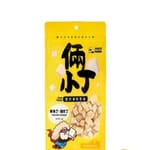
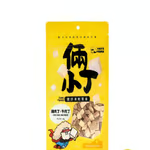
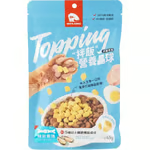
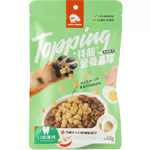
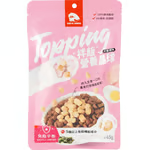
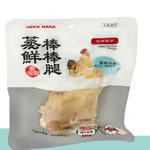
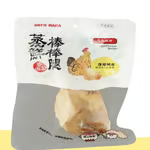
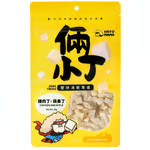
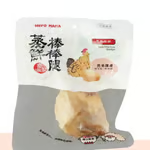
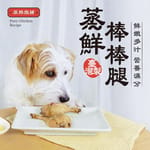
The HEROMAMA cat and dog treats category encompasses a variety of pet food options, designed to meet the daily nutritional supplementation and reward needs of cats and dogs. Products within this classification typically include different forms of snacks, such as baked treats, jerky, freeze-dried items, or functional treats, suitable for pets of various ages and sizes. Consumers selecting HEROMAMA cat and dog treats can choose based on their pets' dietary habits or specific requirements. The design of this product line considers palatability and diverse choices for pets; for instance, some products may focus on providing additional nutritional components, while others might appeal to pets with their unique texture or flavor. Complementing this, main meal series such as HEROMAMA dog food and HEROMAMA cat food also offer comprehensive pet dietary solutions.
Pet treats for cats and dogs encompass a wide range of products designed for supplemental feeding rather than primary nutritional intake.
This article aims to describe the structural attributes, material composition, and usage context within the pet treat category, without providing product recommendations or comparative analysis.
Pet Treats for Cats and Dogs: Common Classifications
The classification of pet treats for cats and dogs typically follows several established criteria within practical and supply chain contexts. One primary division is based on the animal species for which the treat is intended, often distinguishing between cat-specific formulations, dog-specific formulations, and treats marketed as suitable for both species. This distinction frequently relates to differences in palatability preferences, nutritional requirements, and physical chewing capabilities. Another common classification method involves the treat's primary form or texture. Categories such as soft chews, crunchy biscuits, dental sticks, freeze-dried pieces, and semi-moist morsels are widely recognized. Each form dictates specific manufacturing processes and material compositions. Furthermore, treats are often categorized by their intended function or application. This includes training treats, dental health treats, recreational chews, and nutritional supplements presented in treat form. The size and shape of a pet treat for cats and dogs also contribute to its classification, with smaller, bite-sized options often designated for training or frequent rewards, while larger, more durable items are typically for extended chewing sessions. Ingredient profiles also serve as a classification axis, separating treats based on their protein source (e.g., poultry, fish, red meat), carbohydrate content, or the inclusion of specific functional ingredients like probiotics or joint support compounds. Finally, the packaging format can sometimes influence classification, differentiating between bulk packs, individual portions, or resealable pouches, which reflect varied consumer usage patterns. Understanding these classifications provides a structural overview of the market for pet treats for cats and dogs.
Pet Treats for Cats and Dogs: Material Composition and Processing
The material composition and processing techniques employed in the creation of pet treats for cats and dogs exhibit considerable diversity, directly influencing their physical properties and nutritional profiles. Raw materials typically include various animal proteins such as chicken, beef, lamb, and fish, often in forms ranging from fresh meat to rendered meals. Carbohydrate sources like sweet potatoes, peas, rice, and oats are frequently incorporated to provide structure and energy. Fats, derived from animal sources or plant oils, contribute to palatability and provide essential fatty acids. Additionally, fiber sources, vitamins, minerals, and various functional ingredients like prebiotics, probiotics, or botanical extracts may be added. The structural attributes of pet treats for cats and dogs are largely determined by the manufacturing method. Extrusion is a common process for producing dry kibble-like treats and dental sticks, involving high heat and pressure to shape and cook ingredients, resulting in a dense, crunchy texture. Baking is utilized for biscuits and cookies, where dough-like mixtures are formed and then cooked in ovens, leading to a firmer, often crispier product. Freeze-drying is another significant technique, particularly for single-ingredient protein treats. This process removes water from raw or cooked ingredients under vacuum at low temperatures, preserving nutrient integrity and resulting in a light, porous texture. Dehydration, which involves drying ingredients at lower temperatures over an extended period, also creates shelf-stable treats, often with a chewier consistency. Semi-moist treats are formulated with humectants and specific moisture levels to maintain a pliable texture. The choice of processing method directly impacts the final moisture content, texture, nutrient retention, and shelf stability of the pet treats for cats and dogs, reflecting a deliberate approach to product design.
Pet Treats for Cats and Dogs: Usage Context and Environmental Variation
The properties of pet treats for cats and dogs can vary significantly across different usage environments or conditions, influencing their practical application and storage. Environmental factors such as temperature, humidity, and exposure to light directly affect the stability and integrity of these products. For instance, treats with high moisture content, such as semi-moist formulations, are more susceptible to spoilage if not stored correctly, typically requiring airtight containers in cool, dry conditions. Conversely, freeze-dried or dehydrated pet treats for cats and dogs possess significantly lower moisture levels, granting them extended shelf stability even in variable ambient temperatures, though protection from humidity is still crucial to prevent rehydration and potential microbial growth. Packaging plays a critical role in mitigating environmental impact, with hermetically sealed bags, vacuum-sealed pouches, and rigid containers designed to protect against moisture, oxygen, and light degradation. The intended usage context also dictates specific treat properties. Training treats, for example, are typically small, palatable, and easily consumed to facilitate rapid reward cycles during active training sessions. Dental chews are specifically formulated with textures and shapes designed to promote mechanical abrasion against teeth, and their efficacy can be influenced by the chewing habits of the individual animal, which may vary depending on their environment and access to other chew items. Recreational chews, often larger and more durable, are designed for extended engagement, and their structural integrity can be compromised by excessive moisture or physical stress in certain environments. The presence of specific functional ingredients, such as probiotics in pet treats for cats and dogs, may also necessitate particular storage conditions to maintain the viability of beneficial microorganisms, often specifying refrigeration after opening or storage in cool, dark places. These considerations highlight that the effective application and preservation of pet treats for cats and dogs are interdependent with the environmental conditions and specific usage scenarios.
Pet Treats for Cats and Dogs: Product Characteristics from Sales Ranking
The following describes the material, formula, and structural characteristics of specific pet treats for cats and dogs, based on their sales ranking. These descriptions are objective and do not include usage recommendations or comparative evaluations.
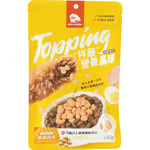
Rank 1: HeroMama Topping Nutritional Spheres for Oral Care. This product is formulated as small, spherical supplements intended to be added to regular pet food. Its composition typically includes ingredients selected for their purported benefits in oral hygiene, often incorporating components such as green tea extract, seaweed meal, or specific enzymes. The spherical structure facilitates even distribution when mixed with food. The manufacturing process likely involves agglomeration or extrusion to achieve the uniform spherical shape, followed by a drying or coating process to ensure stability and preserve the active ingredients. The texture is generally firm but designed to be easily consumed when mixed with a meal, distinguishing it from chewable dental treats. The primary focus of its formulation is the inclusion of specific compounds rather than a diverse macronutrient profile, reflecting its positioning as a functional additive rather than a primary food item among pet treats for cats and dogs.
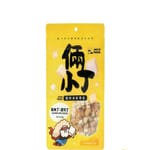
Rank 2: HeroMama Pet Treats for Cats and Dogs: Two Little Cubes Freeze-Dried Series, Chicken + Apple, 20g. This product consists of freeze-dried pieces. The primary proteins are derived from chicken, while apple serves as a fruit component. Freeze-drying is a process that removes water from the ingredients by sublimation, preserving the original cellular structure and nutrient content. This method results in a light, porous texture that is easily rehydrated or consumed in its dry form. The "Two Little Cubes" designation suggests a specific shape or size, indicating a manufacturing step where the ingredients are formed into small, uniform pieces prior to or during the freeze-drying process. The 20g packaging indicates a smaller, portion-controlled offering. The combination of chicken and apple provides a blend of animal protein and fruit-derived elements, typical of many freeze-dried pet treats for cats and dogs, designed for palatability and a specific ingredient profile.
Rank 3: HeroMama Pet Treats for Cats and Dogs: Two Little Cubes Freeze-Dried Series, Fish + Cheese, 25g. Similar to the previous item, this product is also from the freeze-dried "Two Little Cubes" series, but features a different ingredient combination. It incorporates fish as the primary protein source and cheese as a secondary flavor or ingredient component. The freeze-drying process imparts the characteristic light, crisp texture. The 25g weight indicates a slightly larger quantity compared to the Chicken + Apple variant. The inclusion of fish provides an alternative protein source rich in omega fatty acids, while cheese often adds a distinct flavor and can contribute to palatability. The structural integrity of the "Two Little Cubes" remains consistent across the series, ensuring a uniform piece size and shape for these pet treats for cats and dogs.
Rank 4: HeroMama Pet Treats for Cats and Dogs: Two Little Cubes Freeze-Dried Series, Fish + Chicken, 16g. This variant within the "Two Little Cubes" freeze-dried range combines two distinct animal protein sources: fish and chicken. The freeze-drying method is employed to retain the nutritional value and create a lightweight, porous texture. The 16g package size represents a smaller portion. The formulation emphasizes a dual-protein composition, providing a broader spectrum of amino acids and flavors compared to single-protein treats. The consistent "Two Little Cubes" form factor ensures a predictable size and shape for these pet treats for cats and dogs, making them suitable for various applications. The absence of additional fruit or dairy components distinguishes its ingredient profile within the series.
Rank 5: HeroMama Pet Treats for Cats and Dogs: Two Little Cubes Freeze-Dried Series, Chicken + Beef, 16g. This product is another offering from the "Two Little Cubes" freeze-dried line, featuring a combination of chicken and beef as its primary protein ingredients. The manufacturing process utilizes freeze-drying to maintain the integrity of the raw materials and achieve the characteristic light, airy texture. Packaged in 16g units, it is designed for smaller serving sizes. The blend of chicken and beef provides a robust protein profile, combining poultry and red meat sources. This specific combination aims to offer a different palatability experience and nutrient mix compared to other variants in the series. The uniform "Two Little Cubes" shape is maintained, ensuring consistency in physical attributes across these pet treats for cats and dogs.
Pet Treats for Cats and Dogs: Quality Standards and Labeling Norms
Verifiable quality standards, labeling transparency, and documentation norms are crucial for understanding the composition and safety of pet treats for cats and dogs. Regulatory bodies in various regions establish guidelines for pet food and treat manufacturing, which often include requirements for ingredient sourcing, processing hygiene, and finished product analysis. For instance, in the United States, the Association of American Feed Control Officials (AAFCO) provides model regulations that many states adopt, covering aspects like ingredient definitions, nutritional adequacy statements (though treats are generally supplemental), and proper labeling. The European Union also has comprehensive regulations governing pet food, including specific directives on feed additives and undesirable substances. Labeling norms require clear identification of ingredients, typically listed in descending order by weight. This transparency allows for an assessment of the primary components of pet treats for cats and dogs. Guaranteed analysis panels, which state the minimum percentages of crude protein and crude fat, and maximum percentages of crude fiber and moisture, are standard. While these do not provide precise nutritional values, they offer a basic understanding of the macronutrient profile. Claims regarding "natural" or "organic" ingredients are often subject to specific certifications and auditing processes by independent bodies. Traceability systems, from raw material procurement to finished product distribution, are increasingly implemented to ensure safety and quality control. Documentation of manufacturing processes, including HACCP (Hazard Analysis and Critical Control Points) plans, is a common industry practice to identify and manage potential hazards. Third-party certifications, such as those for food safety management systems (e.g., ISO 22000), provide additional layers of assurance regarding the production standards of pet treats for cats and dogs. These collective standards and norms aim to provide consumers with verifiable information regarding the attributes of the products.
Pet Treats for Cats and Dogs: Factual Insights
One verifiable factual insight regarding pet treats for cats and dogs concerns the role of moisture content in product stability. Treats with very low moisture content, specifically those below 10%, are generally considered shelf-stable at ambient temperatures due to the inhibition of most microbial growth. This principle is fundamental to the production of freeze-dried and dehydrated treats, where the removal of water significantly extends their shelf life without the need for refrigeration or extensive preservatives. The water activity (aw) of a treat, which measures the unbound water available for microbial growth, is a more precise indicator than total moisture content; a water activity below 0.6 is typically deemed safe against bacterial proliferation, affecting how pet treats for cats and dogs are formulated and stored. Another factual insight relates to the specific processing required for certain ingredients. For example, raw or undercooked legumes and grains often contain anti-nutritional factors that can interfere with nutrient absorption or cause digestive upset. Therefore, pet treats for cats and dogs that incorporate ingredients like peas, lentils, or beans typically undergo thermal processing, such as extrusion or baking, to denature these compounds and improve digestibility and safety. This processing step transforms the raw materials into a form that is both palatable and biologically appropriate for consumption by cats and dogs, demonstrating a critical aspect of pet treat manufacturing beyond simple ingredient mixing.
This article has provided a structured overview of pet treats for cats and dogs, detailing their classification, material composition, processing methods, usage context variations, product characteristics based on sales ranking, quality standards, and relevant factual insights. The information presented is intended to describe the category's attributes.
......View All