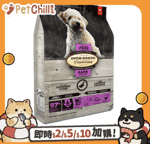
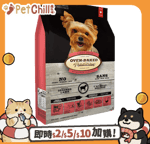
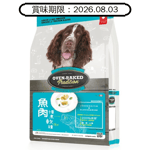
Oven Baked dog food refers to pet food produced through a low-temperature baking method, distinct from traditional high-temperature extrusion. This production process aims to preserve the original nutritional integrity of the ingredients. Oven Baked dog food typically comes in a dry, solid form and offers various meat, vegetable, grain, or grain-free options depending on the specific formula. These dog food varieties are designed to meet the nutritional requirements of different dogs, such as specialized formulas for puppies, adult dogs, or senior dogs, as well as nutritional ratios tailored for specific body types or activity levels. Some oven baked dog food might also include particular protein sources, such as duck or fish, to cater to diverse canine palates or dietary needs. Consumers selecting oven baked dog food can consider their dog's age, weight, and ingredient preferences.
Oven-baked dog food refers to canine nutritional products processed using a baking method, distinct from conventional extrusion techniques, which aims to preserve ingredient integrity and alter textural characteristics.
This article aims to describe the structural attributes, material compositions, and processing methods associated with oven-baked dog food, rather than to recommend specific products or provide comparative analyses of their advantages.
Oven-Baked Dog Food: Classification Structures
Oven-baked dog food is commonly divided based on several structural attributes in its practical application and supply contexts. These divisions often relate to the intended dietary purpose, the primary protein source, and the physical form of the product. One primary classification distinguishes between complete and complementary foods. Complete oven-baked dog food is formulated to provide all necessary nutrients for a dog's daily dietary requirements, adhering to established nutritional profiles for specific life stages or physiological conditions. Complementary oven-baked dog food, conversely, is designed to be fed alongside other food sources and typically does not provide a full nutritional spectrum on its own. Further classification arises from the protein base, such as poultry-based, fish-based, or novel protein-based formulations, each offering distinct amino acid profiles and potential allergen considerations. The physical size of the kibble also forms a common classification, with distinctions made between large kibble and small kibble, catering to different dog breeds and sizes based on their oral anatomy and chewing preferences. Specialized categories also exist for specific life stages, such as puppy formulas, adult maintenance formulas, and senior formulas, each with tailored nutrient densities and ingredient selections to support age-appropriate metabolism and physiological functions. Weight management formulas constitute another distinct classification within oven-baked dog food, characterized by controlled calorie content and specific fiber levels to support satiety and assist in maintaining an appropriate body condition. These classification structures provide a framework for understanding the diverse range of oven-baked dog food products available.
Oven-Baked Dog Food: Material Composition and Processing Techniques
The material composition and processing techniques employed in the production of oven-baked dog food contribute significantly to its final characteristics. Unlike extruded dog foods, which undergo high-temperature, high-pressure processing, oven-baking typically involves lower temperatures and longer cooking times. This method is often stated to result in a different structural integrity of the ingredients. The primary components of oven-baked dog food generally include a protein source, a carbohydrate source, fats, vitamins, and minerals. Protein sources can vary widely, encompassing animal-derived ingredients such as chicken, lamb, fish, or duck, and sometimes plant-based proteins. Carbohydrate sources frequently include grains like oats, barley, and rice, or grain-free alternatives such as sweet potatoes and peas, providing energy and dietary fiber. Fats, often from sources like chicken fat, fish oil, or flaxseed, supply essential fatty acids and contribute to palatability and energy density. The baking process for oven-baked dog food typically involves mixing raw ingredients into a dough-like consistency, forming them into shapes, and then slowly cooking them in an oven. This gentle heat treatment is designed to minimize the degradation of heat-sensitive nutrients compared to more intense processing methods. The structure of the resulting kibble is often denser and less porous than extruded varieties, which can influence its texture and how it breaks down during mastication. The specific ratios and types of these materials, combined with the baking process, dictate the nutrient profile and physical properties of the finished oven-baked dog food product. The careful selection of ingredients and the controlled baking parameters are central to the production of oven-baked dog food.
Oven-Baked Dog Food: Properties Across Usage Environments
The properties of oven-baked dog food can vary across different usage environments or conditions, influencing aspects such as storage stability, palatability, and digestibility. The lower moisture content characteristic of many oven-baked dog food products contributes to their shelf stability in various ambient conditions, provided they are stored in airtight containers away from direct sunlight and humidity. This inherent dryness reduces the risk of microbial growth, which is a common concern in higher-moisture food products. The denser texture of oven-baked dog food, a direct result of its manufacturing process, can influence how it is consumed by dogs. For some dogs, this density may promote slower eating and increased chewing, potentially contributing to dental hygiene through mechanical abrasion. However, for dogs with dental issues or very young puppies, the hardness might require consideration. The palatability of oven-baked dog food is also influenced by its processing, as the baking can enhance certain aroma compounds and create a distinct flavor profile that some dogs find appealing. The structural integrity maintained during baking can also affect nutrient bioavailability, with some proponents suggesting that gentler cooking methods preserve more of the natural enzymes and vitamins. Furthermore, the specific formulation of an oven-baked dog food, such as the inclusion of prebiotics or probiotics, can further tailor its properties to support digestive health in different environmental stressors or dietary transitions. Understanding these variations is crucial for proper utilization of oven-baked dog food, ensuring its efficacy and suitability for an individual dog's circumstances.
Oven-Baked Dog Food: Characteristics Based on Sales Ranking
The following descriptions of oven-baked dog food products are based strictly on their reported sales ranking and detail their material, formula, and structural characteristics without reference to usage recommendations or product suitability.
Rank 1: Oven-Baked Dog Food Free-Run Chicken Recipe Large Kibble 25lb (Yellow) — This formulation features free-run chicken as a primary protein source, providing a concentrated animal protein profile. The kibble is characterized by its large size, designed for canines with appropriate oral structures. The ingredient list includes a blend of grains and vegetables, contributing to its carbohydrate and fiber content. The product is processed using the oven-baking method, resulting in a dense, firm kibble structure. The specific yellow designation is a visual identifier associated with this particular product variant, indicating a consistent physical appearance for this oven-baked dog food.
Rank 2: Oven-Baked Dog Food Senior or Weight Control Recipe Large Kibble 25lb — This oven-baked dog food variant is formulated with a controlled calorie density and an adjusted protein-to-fat ratio, characteristic of diets intended for senior dogs or those requiring weight management. The primary protein sources are typically lean, and the carbohydrate component often includes complex carbohydrates and increased fiber content to promote satiety. The kibble maintains a large size, consistent with the physical form of the previous entry. The baking process ensures a firm texture and aids in nutrient preservation, aligning with the overall characteristics of oven-baked dog food. This recipe is designed to provide a balanced nutritional profile under specific metabolic considerations.
Rank 3: Oven-Baked Dog Food Senior or Weight Control Recipe Small Kibble 12.5lb — Structurally similar to the second-ranked product in its nutritional profile, this oven-baked dog food shares the characteristics of a controlled calorie and adjusted macronutrient composition for senior dogs or weight management. The distinguishing feature is its small kibble size, which caters to dogs with smaller oral cavities or those that may have difficulty with larger kibble. The ingredient composition includes lean protein sources and a balanced blend of carbohydrates and fibers. The oven-baking method imparts a dense texture, consistent with other oven-baked dog food products, while its smaller physical dimensions are designed for ease of consumption by specific dog populations.
Rank 4: Oven-Baked Dog Food Atlantic Whitefish Recipe Large Kibble 25lb (Blue) — This oven-baked dog food utilizes Atlantic whitefish as its primary protein source, offering a different amino acid profile compared to poultry-based formulas. Fish-based recipes often contain higher levels of omega fatty acids. The kibble is formulated in a large size, suitable for dogs accustomed to or requiring larger pieces of food. The ingredient list typically includes a combination of fish components, grains or grain alternatives, and supplementary vitamins and minerals. The oven-baking process results in a distinct firm texture. The blue designation serves as a visual marker for this specific fish-based oven-baked dog food variant, indicating its consistent appearance.
Rank 5: Oven-Baked Dog Food Puppy Recipe Large Kibble 25lb (Green) — This oven-baked dog food is specifically formulated for puppies, characterized by a higher calorie content and increased levels of protein, fat, and essential nutrients to support rapid growth and development. The protein sources are typically highly digestible, and the carbohydrate blend provides sustained energy. Despite being a puppy formula, this particular variant features large kibble, which may be suitable for larger breed puppies or those with well-developed chewing capabilities. The oven-baking method maintains ingredient integrity and produces a dense, palatable kibble. The green designation is a visual cue associated with this particular puppy oven-baked dog food formula, providing a consistent appearance.
Oven-Baked Dog Food: Quality Standards and Labeling Norms
Verifiable quality standards, labeling transparency, and documentation norms are crucial aspects of the oven-baked dog food category, providing consumers with information regarding product attributes and safety. In many regions, the production and labeling of oven-baked dog food are regulated by governmental bodies and industry associations, such as the Association of American Feed Control Officials (AAFCO) in North America or the European Pet Food Industry Federation (FEDIAF) in Europe. These organizations establish nutritional standards that define what constitutes a "complete and balanced" pet food for various life stages, ensuring that oven-baked dog food products meet specific dietary requirements. Labeling norms mandate the clear declaration of ingredients, typically listed in descending order by weight. This transparency allows for the identification of primary protein, carbohydrate, and fat sources. Nutritional guarantees, often presented as a "guaranteed analysis," provide minimum percentages for crude protein and crude fat, and maximum percentages for crude fiber and moisture. Manufacturers of oven-baked dog food are expected to adhere to good manufacturing practices (GMPs), which cover aspects from ingredient sourcing to facility sanitation, ensuring product consistency and safety. Some products may also carry certifications from independent bodies, indicating adherence to specific quality or ethical standards. The presence of these standards and norms facilitates informed decisions regarding oven-baked dog food, enabling an understanding of its composition and regulatory compliance. Regular audits and quality control checks are part of maintaining these standards for oven-baked dog food.
Oven-Baked Dog Food: Factual Insights
Regarding oven-baked dog food, it is a verifiable fact that the baking process, compared to extrusion, typically results in a lower starch gelatinization level. Starch gelatinization is a process where starch granules swell and rupture in the presence of heat and water, which can affect digestibility and nutrient availability. The gentler heat and longer cooking times in baking tend to limit this process, potentially influencing how carbohydrates are metabolized by canines. Another verifiable insight is that the bulk density of oven-baked dog food is generally higher than that of extruded dog food. This means that, for a given volume, oven-baked kibble will weigh more. This difference in density is a direct consequence of the manufacturing process, where the dough-like mixture is slowly cooked and dried, leading to a more compact structure rather than the expanded, air-filled structure often seen in extruded products. This characteristic of oven-baked dog food can impact aspects such as portion control and storage space requirements, as a smaller volume of oven-baked dog food may contain a similar caloric density to a larger volume of extruded product.
This article has presented a structural and characteristic overview of oven-baked dog food, detailing its classifications, material compositions, processing techniques, and adherence to quality standards, without making any recommendations or suggesting preferences.
......View All