Dog food refers to food products specifically formulated for canines, designed to provide the necessary nutrients for their health and well-being. These products come in various forms, including dry kibble, wet food, semi-moist food, and the increasingly popular freeze-dried dog food. The composition of dog food is typically adjusted based on the dog's life stage, such as puppy, adult, or senior, or specific dietary needs, like activity level or sensitivities. The market offers a wide range of dog food options, including brands like Orijen dog food, K9 dog food, Addiction dog food, Fromm dog food, Acana dog food, AATU dog food, Canagan dog food, Royal Canin dog food, Wellness Core dog food, Instinct dog food, Burns dog food, and Hills dog food. These products may feature different protein sources, carbohydrate types, or fat contents in their formulas. Some dog food variants utilize specific manufacturing processes, such as being oven baked, to achieve distinct textures or nutrient retention. When selecting dog food, individuals can consider their dog's size, age, and activity level to determine the most suitable product. This category page compiles various dog food choices, facilitating the exploration of different product information.
Dog food is a manufactured product intended for consumption by dogs, formulated to provide nutritional requirements for various life stages and health conditions.
This article aims to describe the structural attributes, material composition, and usage contexts within the dog food category. It does not intend to recommend specific products or provide selection advice.
Dog Food Classification by Formulation Type
The dog food category is commonly divided based on its physical form and moisture content, primarily into dry, wet (canned), semi-moist, and raw or freeze-dried preparations. Dry dog food, often referred to as kibble, is produced through an extrusion process where ingredients are mixed, cooked under high pressure and temperature, and then formed into uniform pieces. This process reduces moisture content significantly, typically to below 10%, which contributes to its extended shelf life and ease of storage. Wet dog food, on the other hand, contains a much higher moisture content, often exceeding 75%, and is typically packaged in cans, pouches, or trays. Its production involves cooking ingredients, often in gravy or jelly, and then sealing them under vacuum to ensure sterility and preservation. Semi-moist dog food represents an intermediate category with moisture levels generally between 25% and 40%, offering a softer texture than kibble. Raw dog food, including freeze-dried dog food, consists of uncooked ingredients, often meat, bones, organs, and sometimes vegetables or fruits. Freeze-drying is a process that removes moisture through sublimation, preserving nutrients and extending shelf life without cooking. Each of these types of dog food serves different practical uses and storage considerations for pet owners.
Dog Food Material Composition and Processing Techniques
Differences in dog food material composition, structural forms, formulation methods, and processing techniques are fundamental to understanding the category. The primary components of dog food typically include protein sources, carbohydrates, fats, vitamins, and minerals. Protein sources can range from common animal proteins like chicken, beef, lamb, and fish, to novel proteins such as duck, venison, or insects, and even plant-based proteins. Carbohydrates are often sourced from grains like corn, wheat, barley, and rice, or from grain-free alternatives such as potatoes, sweet potatoes, peas, and legumes. Fats, essential for energy and nutrient absorption, are commonly derived from animal fats (e.g., chicken fat) or plant oils (e.g., flaxseed oil, sunflower oil). The formulation method dictates the balance and proportion of these ingredients, often tailored to specific life stages (e.g., puppy, adult, senior) or dietary needs (e.g., weight management, sensitive digestion). For example, Orijen dog food is known for its high protein content and inclusion of whole prey ingredients. Processing techniques vary significantly across dog food types. Extrusion, as mentioned, is standard for dry kibble, involving precise control over temperature and pressure to ensure palatability and digestibility. Wet dog food production involves canning, which sterilizes the product and seals it, preventing spoilage. Freeze-dried dog food undergoes a low-temperature, low-pressure process to remove water, which aims to preserve the raw nutritional profile of the ingredients. These distinct approaches to material selection and processing directly influence the final product’s nutrient profile, texture, and stability. Another brand, Acana dog food, also emphasizes biologically appropriate raw ingredients.
Dog Food Properties Across Usage Environments and Conditions
The properties of dog food can vary significantly across different usage environments or conditions. For instance, the shelf stability of dog food is a critical property influenced by its moisture content and packaging. Dry kibble, with its low moisture, is highly stable at room temperature and less susceptible to microbial growth, making it suitable for bulk storage and open-bowl feeding for extended periods. Wet dog food, conversely, requires refrigeration once opened due to its high moisture content, and typically has a shorter consumption window to prevent spoilage. This impacts its suitability for outdoor or uncontrolled environments. Storage conditions, such as temperature, humidity, and exposure to light, also affect the degradation rate of nutrients in dog food. Antioxidants, both natural and synthetic, are often added to dry dog food to prevent fat oxidation, which can lead to rancidity and nutrient loss. The physical form of the dog food also plays a role in its practical application. For working dogs or those with high energy requirements, a calorie-dense dry dog food might be preferred for its concentrated energy supply and ease of transport during activities. For dogs with dental issues or those requiring increased hydration, wet or semi-moist dog food may be more appropriate due to its softer texture and higher water content. The dietary needs of a very young animal, such as a puppy, often necessitate specialized formulations, such as those found in puppy dog food, which are denser in nutrients and calories to support rapid growth. Brands like Royal Canin dog food offer specialized formulations for various breeds and conditions.
Dog Food Product Information Based on Sales Ranking
This section presents product information based on sales ranking, focusing on material, formula, and structural characteristics, without offering usage recommendations.
Rank 1: CASTOR & POLLUX ORGANIX Organic Puppy Recipe 4lb (35038) — This organic puppy dog food is formulated with organic chicken as the primary ingredient, specifically designed for puppies. It is a grain-free recipe, utilizing organic peas and organic potatoes as carbohydrate sources. The product is certified organic, indicating adherence to specific agricultural and processing standards. Its dry kibble structure is typically optimized for the developing dentition and digestive systems of young dogs.
Rank 2: CASTOR & POLLUX ORGANIX Organic Puppy Recipe 10lb — This product shares the same core formulation as the 4lb variant, being an organic, grain-free puppy dog food with organic chicken as the main protein source. The primary difference is its larger package size, offering a greater quantity of the dry kibble for extended feeding periods. The material composition and structural characteristics remain consistent with the smaller package.
Rank 3: CASTOR & POLLUX ORGANIX Organic Small Breed Recipe 4lb (35058) — This organic dog food is formulated for small breed adult dogs. It is also a grain-free recipe, primarily featuring organic chicken. The kibble size for small breed dog food is typically smaller than standard adult formulations, designed to accommodate the smaller mouths and jaws of small breed dogs. Its organic certification further defines its ingredient sourcing and processing. Organix dog food small breed formulations are designed with these physical attributes in mind.
Rank 4: CASTOR & POLLUX ORGANIX Organic Small Breed Recipe 10lb — Similar to the previous entry, this is an organic, grain-free dog food tailored for small breed adult dogs, with organic chicken as the main protein. The distinction lies in its larger 10lb packaging, providing a larger volume of the specialized small kibble. The nutritional profile and structural attributes are consistent with the 4lb small breed offering.
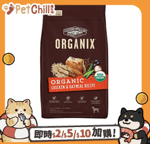
Rank 5: CASTOR & POLLUX ORGANIX Organic Chicken & Oatmeal Recipe 4lb (35062) — This organic dog food is formulated for all life stages, featuring organic chicken as the primary ingredient. Unlike the previous grain-free options, this recipe includes organic oatmeal as a carbohydrate source. The inclusion of oatmeal provides a different fiber profile compared to grain-free alternatives. It maintains the organic certification and is presented in a dry kibble format suitable for a broad range of adult dogs. This formulation offers an alternative for those seeking an organic dog food with whole grains.
Dog Food Quality Standards and Labeling Norms
Verifiable quality standards, labeling transparency, and documentation norms are critical aspects of the dog food industry. In many regions, dog food products are regulated by governmental bodies to ensure safety, nutritional adequacy, and accurate labeling. For instance, in the United States, the Association of American Feed Control Officials (AAFCO) plays a significant role in establishing model regulations and ingredient definitions, which individual states often adopt. AAFCO statements on dog food labels, such as "formulated to meet the nutritional levels established by the AAFCO Dog Food Nutrient Profiles for All Life Stages," or "animal feeding tests using AAFCO procedures substantiate that [product name] provides complete and balanced nutrition for [life stage]," indicate adherence to specific nutritional guidelines. These statements are verifiable through laboratory analysis or feeding trials. Ingredients are typically listed in descending order by weight on the dog food label, providing insight into the primary components. Terms like "organic" are legally defined and require certification from recognized bodies, ensuring that ingredients meet specific criteria regarding farming practices and absence of synthetic pesticides or fertilizers. "Grain-free" indicates the absence of common grains like corn, wheat, and soy, but does not necessarily imply a lower carbohydrate content, as other starch sources such as peas or potatoes may be used. The presence of a "best by" or "use by" date is a standard documentation norm, indicating the period during which the product is expected to retain its quality. Furthermore, many manufacturers provide detailed information on their websites regarding sourcing, manufacturing processes, and quality control measures for their dog food products, contributing to transparency. Brands like Wellness Core dog food and Instinct dog food often highlight their adherence to such standards.
Factual Insights into Dog Food
One verifiable factual insight regarding dog food relates to the energy density of different formulations. Dry dog food typically possesses a higher caloric density per unit of weight compared to wet dog food. This is primarily due to its significantly lower moisture content. While wet dog food might appear to be more substantial in volume, a smaller weight of dry kibble often provides equivalent or greater caloric intake. This characteristic influences feeding guidelines, where a smaller measured volume of dry dog food can meet the daily energy requirements of a dog compared to a larger volume of wet food. This distinction is a direct consequence of the manufacturing processes and ingredient ratios, emphasizing the removal of water in dry formulations. Another factual insight concerns the role of specific processing methods in nutrient availability. The extrusion process used for most dry dog food can enhance the digestibility of certain starches by gelatinizing them, making them more accessible for enzymatic breakdown in the dog's digestive system. However, this high-temperature processing can also impact the stability of some heat-sensitive vitamins and certain amino acids. Manufacturers typically account for this by adding vitamins and minerals after the cooking process or by including them in excess to ensure that adequate levels remain in the final dog food product after processing. This demonstrates a balance between ensuring ingredient safety, palatability, and nutrient retention through controlled manufacturing techniques. Burns dog food and Hills dog food are examples of brands that focus on scientifically formulated diets.
The dog food category encompasses a diverse range of products characterized by varying compositions, forms, and manufacturing approaches. Understanding these structural attributes and the underlying processes provides a framework for comprehending the category without recourse to subjective evaluations.
......View All